For couples seeking a wedding ceremony grounded in inclusivity, grace, and a profound sense of community, the Methodist Church offers a deeply meaningful path to marriage. Unlike some denominations that may feel rigid or overly dogmatic, the Methodist tradition is celebrated for its "open hearts, open minds, open doors" philosophy.
Marriage in this context is viewed not merely as a legal contract, but as a sacred covenant—a holy mystery where two lives are joined together in the sight of God. It is a celebration of human love as a reflection of divine love. A Methodist wedding is characterised by its warmth and its focus on the worshippers, encouraging a service that is both reverent and joyfully personal.
The theology emphasises that marriage is a gift given by God for the well-being of the couple and the community, making the ceremony a pivotal moment of spiritual affirmation and public commitment.
A degree of flexibility
At the heart of a Methodist wedding is a theology that values equality and social justice, which often translates into a ceremony that feels egalitarian and mutually respectful.
The vows exchanged are powerful declarations of intent, promising to love, honour, and cherish in all circumstances. One of the unique aspects of the Methodist tradition is the emphasis on "social holiness"—the idea that faith is lived out in community. Consequently, a Methodist wedding often feels like a collective embrace, where the congregation plays an active role in pledging their support to the couple. The service typically includes scripture readings, hymns, and a homily that reflects on the spiritual dimensions of the union.
Methodism also allows for a degree of flexibility that many couples appreciate; while there is a standard liturgy, ministers are often willing to work with couples to incorporate personal touches, significant readings, or music that resonates with their specific journey, provided it maintains the dignity of the occasion.
Marriage preparation is a key component
Getting married in the Methodist Church involves a journey of preparation that extends beyond just booking the venue. It usually begins with a conversation with the minister, who will not only discuss the logistics of the day but also the spiritual readiness of the couple.
Marriage preparation is a key component, offering a safe space for couples to explore their relationship dynamics, communication styles, and shared values before they say "I do." This pastoral care is designed to equip the couple with the tools they need for a lifelong partnership, rather than just a successful wedding day. The church welcomes those who may not be regular churchgoers, although having a connection to the specific chapel or congregation is often encouraged.
From the reading of the banns (if applicable) or the obtaining of a licence, the minister guides the couple through the legal and spiritual requirements, ensuring that the path to the altar is smooth and meaningful.
Creating an uncluttered space
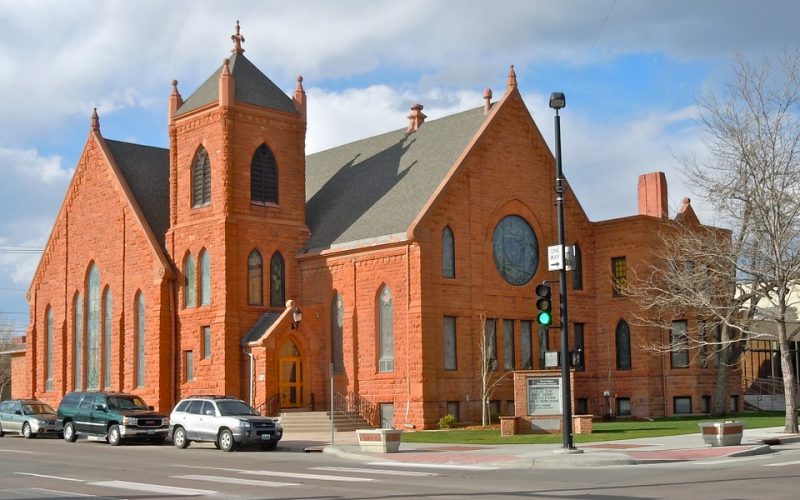
The physical setting of a Methodist church often reflects the denomination's focus on simplicity and the centrality of the Word. Unlike the ornate decoration found in some high-church traditions, Methodist chapels are often simpler, focusing the eye on the communion table and the pulpit.
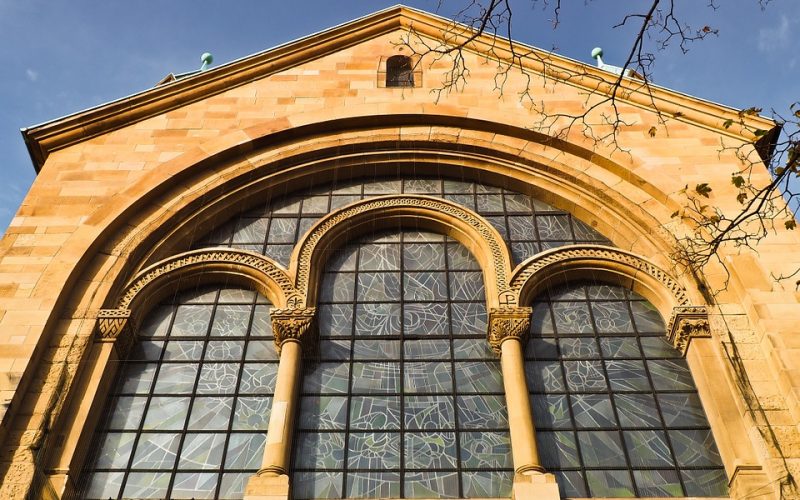
This architectural simplicity can be incredibly powerful, creating an uncluttered space where the focus remains firmly on the couple and their vows. However, this does not mean they lack beauty. Many historic Methodist chapels boast stunning stained glass, warm wood panelling, and a sense of hushed history that lends a profound gravitas to the occasion.
The acoustics are often designed for congregational singing, meaning that the hymns—a central part of Methodist worship—resound with stirring power. This environment provides a unique aesthetic that requires a sensitive eye to capture, blending the solemnity of the space with the joy of the celebration.
The joy of the hymns
Because a Methodist wedding is a covenant made in the presence of God and community, capturing the essence of this commitment requires more than just snapshots; it demands beautiful wedding photography that respects the sanctity of the moment.
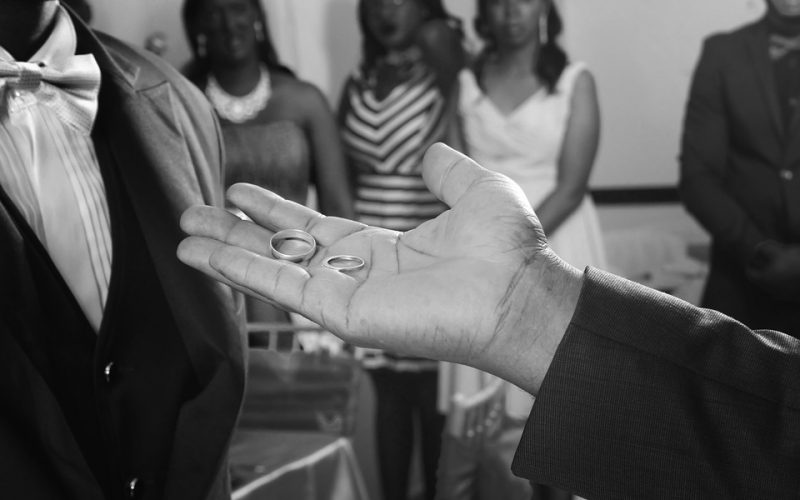
The lighting in chapels can be variable, ranging from floods of natural light to dimmer, more atmospheric conditions. A skilled photographer understands how to work within these constraints to produce images that are ethereal and emotive. They need to capture the reverence of the prayers, the joy of the hymns, and the intimacy of the ring exchange without becoming a distraction.
The visual legacy of the day should reflect the spiritual weight of the ceremony. These photographs serve as a permanent reminder of the promises made, preserving the atmosphere of grace and the expressions of love shared between the couple and their families.
The significant elements of the liturgy
When documenting a service steeped in liturgical structure, a traditional wedding photographer brings a valuable skillset. Their approach is often characterised by a focus on key moments, symmetry, and formal portraiture.
In a Methodist setting, this means ensuring that the significant elements of the liturgy—the entrance, the readings, the blessing of the hands, and the signing of the register—are documented with clarity and precision. A traditional photographer is essentially a historian of the event, creating a structured visual narrative that honours the formality of the church setting.
They are experts at organising the large family group shots that often follow the service, perhaps on the church steps or in the grounds. This style appeals to couples who want a classic, polished record of their day, ensuring that every aunt, uncle, and cousin is included, and that the dignity of the church surroundings is perfectly reflected in the final album.
The nervous clasping of hands
Conversely, a lifestyle wedding photographer offers a perspective that focuses on the emotional undercurrents and candid interactions of the day. In the context of a Methodist wedding, which places such high value on community and authentic connection, this style can be particularly poignant.
A lifestyle photographer acts as a quiet observer, seeking out the unscripted moments of grace: a grandmother’s tearful smile from the pew, the nervous clasping of hands between the couple, or the laughter of children in the gallery. They are less concerned with perfect posing and more interested in capturing the "feeling" of the service.
Using natural light and unobtrusive techniques, they document the story as it unfolds organically. For couples who want their images to reflect the warmth, inclusivity, and genuine emotion that defines the Methodist ethos, a lifestyle approach provides a deeply personal and evocative collection of memories.
The focus on social holiness
Ultimately, a marriage within the Methodist Church is a celebration that weaves together the personal love of two individuals with the supportive fabric of their community and faith. It is a grounded, joyous, and spiritually significant way to begin married life.
The focus on social holiness means that the marriage is seen as a force for good in the wider world, adding a layer of purpose to the union. Whether the ceremony takes place in a grand city central hall or a tiny village chapel, the core values remain the same: love, grace, and commitment.
By carefully choosing the right professional to capture the day—whether opting for the structured elegance of a traditional wedding photographer or the emotive storytelling of a lifestyle wedding photographer—couples ensure that the beauty and significance of their Methodist wedding are preserved for generations to come. It is a day where the sacred and the celebratory meet, creating a foundation of strength and joy for the future.