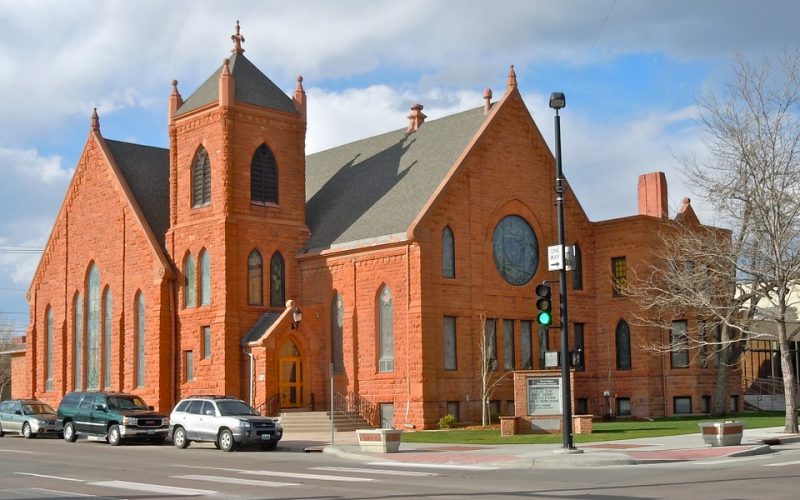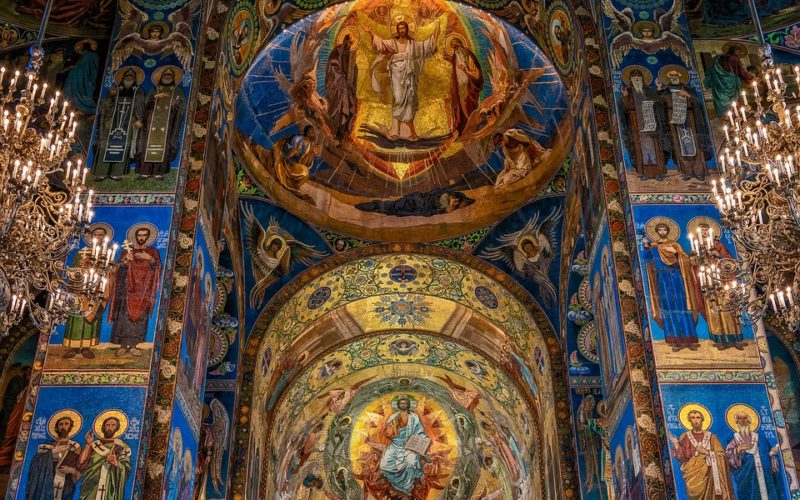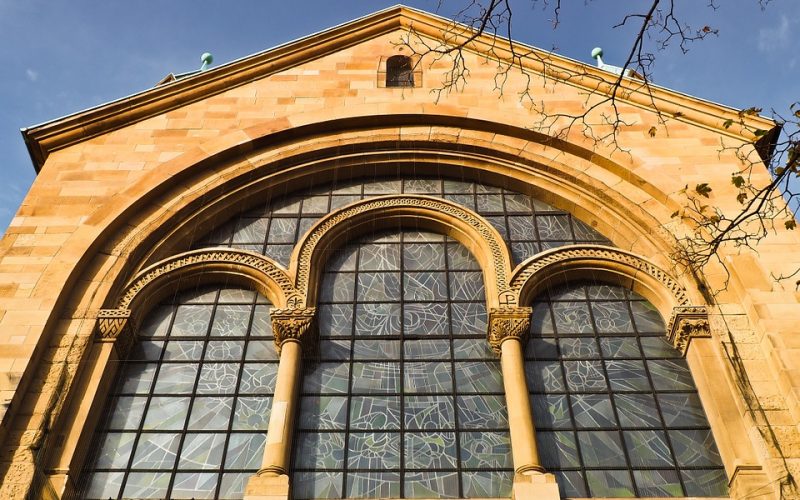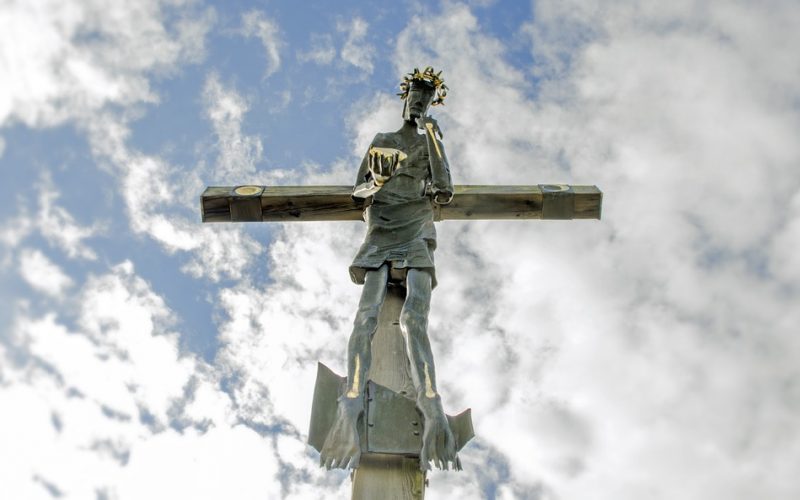
At its core, religion brings people together. Churches, mosques, temples, and synagogues serve as gathering points where individuals from all walks of life find common ground. These spaces offer more than a place of worship — they provide a sense of belonging that many people struggle to find elsewhere. In an era of increasing social isolation, that kind of community can be genuinely life-changing.
Providing a moral framework
Many of the ethical values that underpin modern societies — compassion, honesty, justice, care for the vulnerable — have deep roots in religious tradition. For billions of people, faith provides a clear moral compass. It shapes how they treat others, how they raise their children, and how they engage with the world around them. While morality is not exclusive to religion, it would be difficult to deny the role faith has played in shaping the ethical foundations of civilisations across history.
Driving charitable work
Religious organisations are among the largest providers of social welfare in the world. From food banks and homeless shelters to schools and hospitals, faith-based charities deliver essential services to millions of people every year. In the UK alone, religious groups contribute an estimated £12.3 billion to society annually through volunteering and charitable activity. These are not abstract contributions — they are meals served, lives supported, and crises averted.
Supporting mental health and wellbeing
Research consistently shows a link between religious practice and improved mental health outcomes. Regular attendance at religious services has been associated with lower rates of depression and anxiety, greater resilience in the face of hardship, and a stronger sense of purpose. The rituals, prayers, and meditative practices found across different faiths offer structure and comfort — particularly during grief, illness, or personal crisis. For many, faith is simply a way of coping with the uncertainty of being human.
Promoting social justice
Throughout history, religious conviction has been a powerful force for social change. The abolitionist movement, the civil rights movement, and anti-apartheid activism all drew heavily on religious language and leadership. Faith communities have long championed the cause of the marginalised, calling attention to injustice and mobilising people to act. That tradition continues today, with religious leaders advocating on issues from poverty and climate change to refugee rights and racial equality.
Fostering interfaith dialogue
Religion can also be a bridge between cultures. Interfaith initiatives around the world bring together people of different beliefs to share perspectives, build relationships, and work towards common goals. These conversations foster mutual respect and help dismantle the kind of misunderstanding that can lead to division. At their best, they demonstrate that different traditions can coexist — not just peacefully, but productively.
The bigger picture
Religion, like any human institution, is complex. It has been misused throughout history, and that cannot be ignored. But focusing solely on its failures would mean overlooking the extraordinary good that faith communities continue to do — the lives improved, the communities strengthened, and the values upheld. For hundreds of millions of people across the globe, religion remains one of the most meaningful forces for positive change in the world.